Borrowing or Withdrawing Money from Your 401(k) Plan

If you have a 401(k) plan at work and need some cash, you might be tempted to borrow or withdraw money from it. But keep in mind that the purpose of a 401(k) is to save for retirement. Take money out of it now, and you’ll risk running out of money during retirement. You may…
Left Your 401(k) Behind After A Job Change? It Could Cost You A Small Fortune In Retirement

Leaving a 401(k) at a former employer could shrink your nest egg. These steps could help protect your retirement and boost savings. Imagine retiring with $90,000 less in your nest egg—not because of a bad investment, but because you forgot about old 401(k) accounts from past jobs. In today’s job market, where career transitions are…
Why retirement isn’t like the summer vacations

Summer holidays are a time to relax, unwind, and escape the daily grind.
For many of us, they’re the only time of the year we get to sit back, fall asleep in the sun and completely switch off. It’s no wonder, then, that many of us dream of the day when we can leave our jobs…
What is a self-employed retirement plan?

A self-employed retirement plan is a tax-deferred retirement savings program for self-employed individuals. In the past, the term “Keogh plan” or “H.R. 10 plan” was used to distinguish a retirement plan established by a self-employed individual from a plan established by a corporation or other entity. However, self-employed retirement plans are now generally referred to by the name that…
Funding a Roth IRA
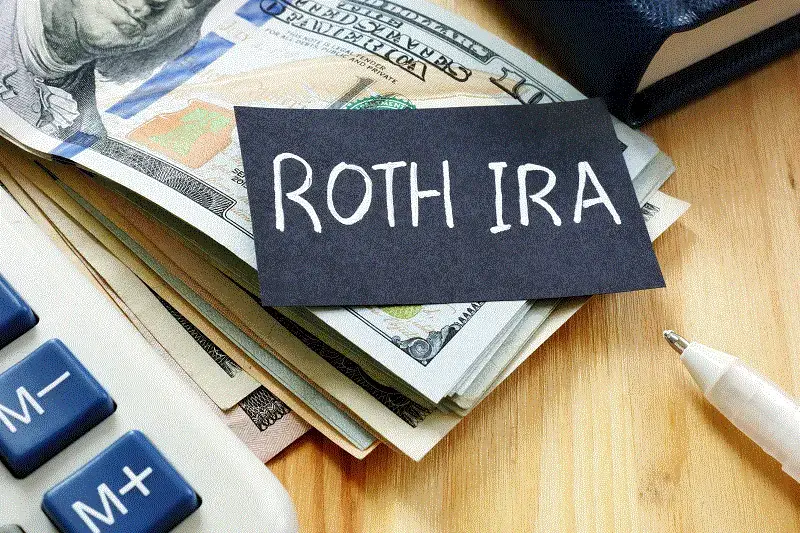
With the potential for tax-free retirement income, Roth IRAs may be appealing investment vehicles. There are three ways to fund a Roth IRA — you can open an account and contribute directly, you can convert all or part of a traditional IRA to a Roth IRA, or you can roll over or convert funds from an eligible employer retirement plan…
Retirement Planning: The Basics

You may have a very idealistic vision of retirement — doing all of the things that you never seem to have time to do now. But how do you pursue that vision? Social Security may be around when you retire, but the benefit that you get from Uncle Sam may not provide enough income for…
Evaluating an Early Retirement Offer

In today’s corporate environment, cost cutting, restructuring, and downsizing are the norm, and many employers are offering their employees early retirement packages. But how do you know if the seemingly attractive offer you’ve received is a good one? By evaluating it carefully to make sure that the offer fits your needs…
Choosing a Beneficiary for Your IRA or 401(k)

Selecting beneficiaries for retirement benefits is different from choosing beneficiaries for other assets such as life insurance. With retirement benefits, you need to know the impact of income tax and estate tax laws in order to select the right beneficiaries. Although taxes shouldn’t be the sole determining factor in naming your beneficiaries, ignoring the impact…
Estimating Your Retirement Income Needs

You know how important it is to plan for your retirement, but where do you begin? One of your first steps should be to estimate how much income you’ll need to fund your retirement. That’s not as easy as it sounds, because retirement planning is not an exact science. Your specific needs depend on your…
Understanding IRAs

An individual retirement arrangement (IRA) is a personal savings plan that offers specific tax benefits. IRAs are one of the most powerful retirement savings tools available to you. Even if you’re contributing to a 401(k) or other plan at work, you might also consider investing in an IRA. What types of IRAs are available? The…